Lisbon: Heritage, Culture, and Flavors of the Portuguese Capital
Between steep hills and the banks of the Tagus, the Portuguese capital reveals its centuries-old azulejos, cobblestone alleys, and living traditions.

Seven hills shaping an urban panorama

The miradouros offer striking views of the ochre rooftops and colorful facades. Each viewpoint reveals a different perspective on the river and the historic districts.

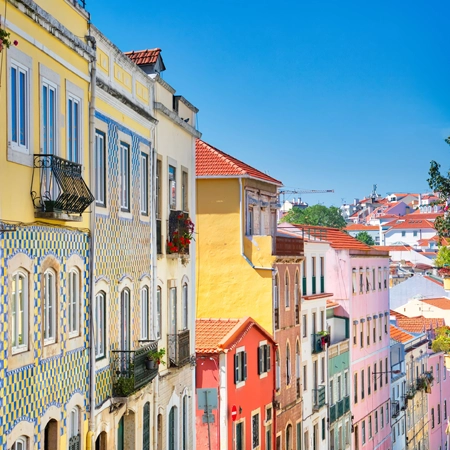
Azulejos and Ornate Facades in Ancient Streets
Painted ceramic tiles cover churches, train stations, and residential buildings. These bluish ceramics have depicted historical, religious, or simply decorative scenes for several centuries.

Yellow trams crisscrossing steep slopes
Line 28 winds through Alfama and Graça in century-old cars. This mode of transport offers a picturesque journey through the steepest neighborhoods.
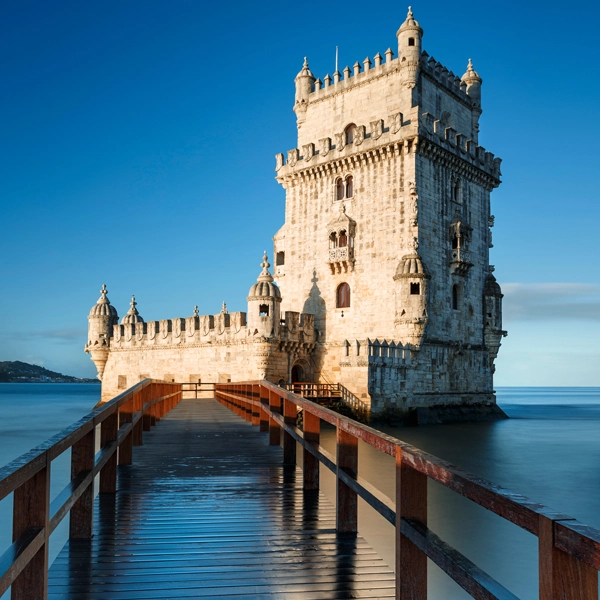
Belém Tower and Jerónimos Monastery bear witness to the great maritime explorations

Manueline Architecture
The sculpted ornaments blend ropes, armillary spheres, and marine motifs on the limestone facades. The monastery’s cloister features stone lace, with each column adorned with unique decorations. These edifices, classified by international heritage organizations, attract visitors who come to observe this architectural style born at the turn of the sixteenth century.
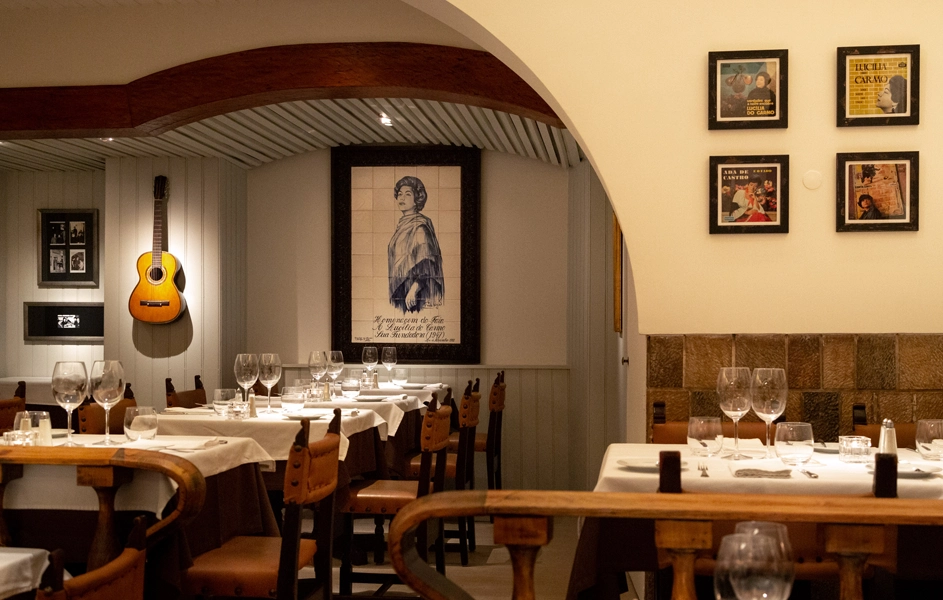
Fado and traditional houses of Alfama
Melancholy Portuguese song



Accommodations in Central Neighborhoods
Diverse Lodging Options
From family-run guesthouses to upscale establishments, each neighborhood offers suitable options. Chiado features elegant accommodations, while Mouraria provides more accessible solutions.

Guesthouses in historic alleys
These renovated houses preserve exposed beams and vintage tiles while offering modern amenities.
Furnished Apartments for Extended Stays
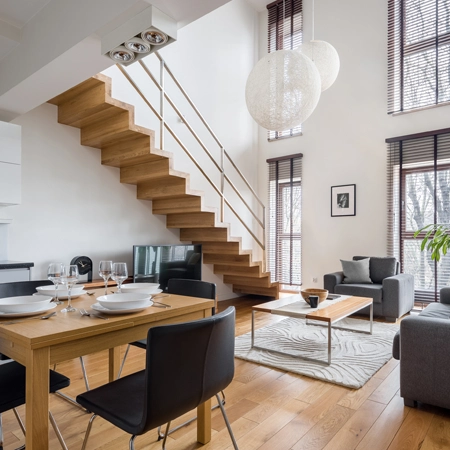
Independent rentals offer immersion in daily life with a fully equipped kitchen and proximity to local markets.
Friendly hostels near lively areas
Dorms and common areas make it easy to meet fellow travelers in a relaxed, central atmosphere.
Subway, funiculars, and ferries ensure smooth connections throughout the city
Transportation Network
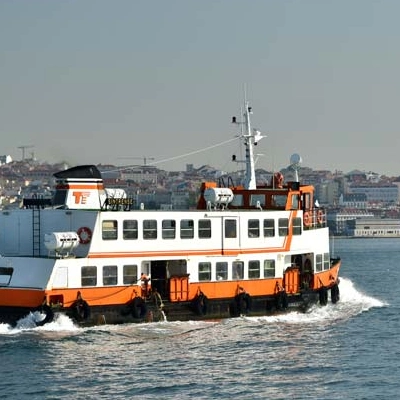
Four subway lines have served the main hubs since the sixties. Historic funiculars climb the steepest slopes, while ferries cross the Tagus to Cacilhas. Reusable travel cards simplify transfers between these various urban transportation modes.
Pastéis de nata and Lisbon’s culinary specialties
Authentic local flavors
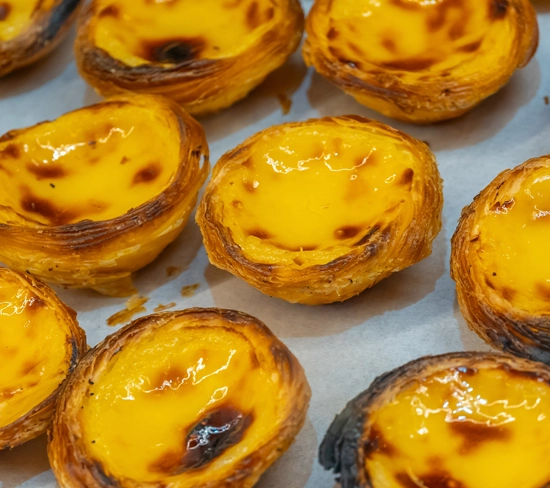
Cream Puff Pastries
Crispy Tarts
The golden crust contains a slightly caramelized egg custard, sprinkled with cinnamon fresh out of the oven.
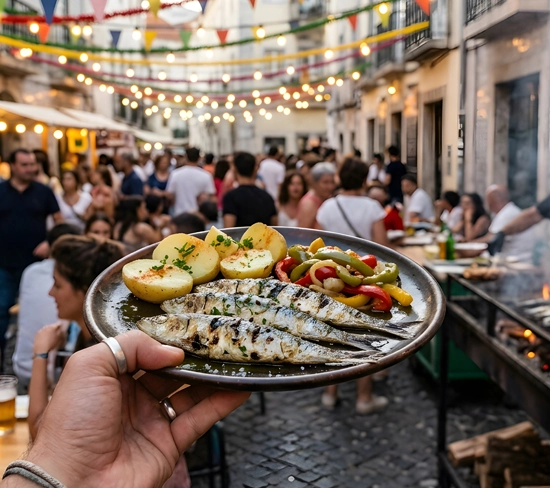
Grilled fish in tascas
Sardines and bacalhau
These small taverns serve these fish with potatoes and a drizzle of local olive oil on simple tables.
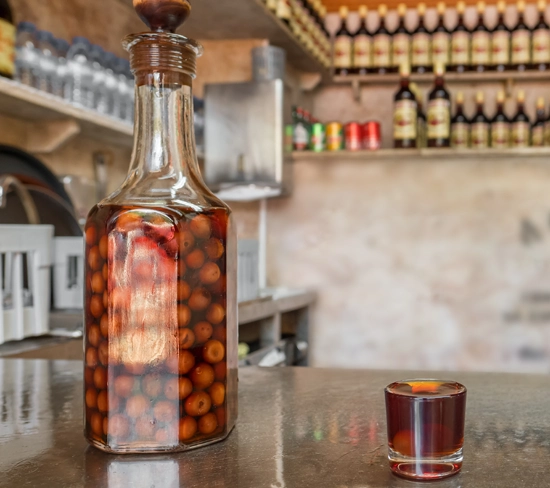
Ginjinha served at stalls
Cherry Liqueur
This sweet, fruit-infused drink is enjoyed standing in tiny stalls in Rossio or Baixa.